
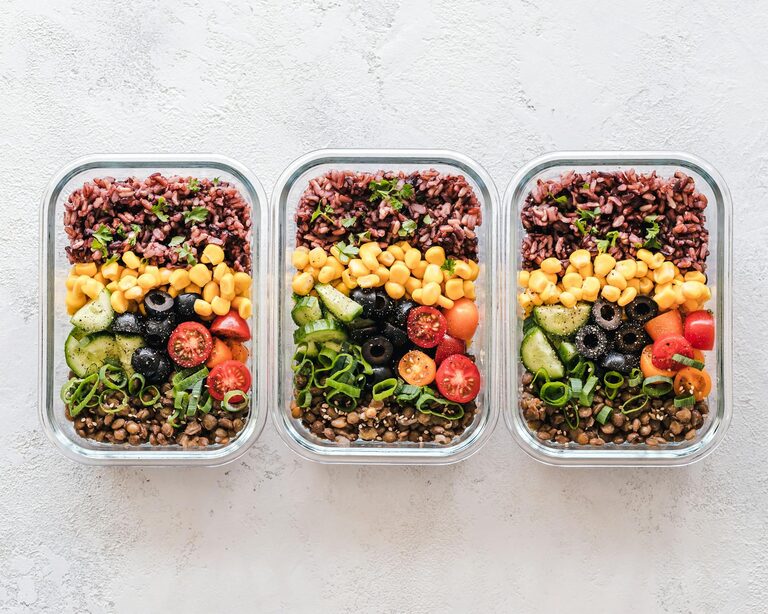
Eating balanced meals is essential for maintaining good health and feeling energized throughout the day. However, many people find meal planning to be overwhelming or stressful, especially when juggling busy schedules. The good news is that planning balanced meals doesn’t have to be complicated or time-consuming. With a few practical tips and a little organization, you can create nutritious, satisfying meals easily.
In this post, we’ll explore how to plan balanced meals without stress, so you can enjoy healthy eating habits with confidence and ease.
What Is a Balanced Meal?
Before diving into meal planning, it’s helpful to understand what a balanced meal includes. Generally, a balanced meal contains:
– Protein: Supports muscle repair and keeps you feeling full (e.g., chicken, fish, beans, tofu).
– Healthy carbohydrates: Provide energy and fiber (e.g., whole grains, vegetables, fruits).
– Healthy fats: Support brain health and nutrient absorption (e.g., olive oil, nuts, avocado).
– Vegetables and fruits: Add vitamins, minerals, and antioxidants.
– Fluids: Staying hydrated is important, so include water or herbal teas.
Aiming to include these elements in your meals can help you meet your nutritional needs and maintain stable energy levels.
Step 1: Start with a Simple Plan
To keep meal planning stress-free, start with a basic weekly plan. You don’t have to plan every single meal perfectly—just outline what you’d like to eat for a few days or the whole week.
– Choose your meal frequency: Decide how many meals and snacks you want to plan each day.
– Pick simple recipes: Look for easy, nutritious recipes you or your family enjoy.
– Rotate favorite meals: Repeating meals weekly can save time and reduce decision fatigue.
Having a plan helps eliminate last-minute decisions and minimizes food waste.
Step 2: Use a Balanced Meal Template
Creating or following a meal template can simplify the process even more. For example:
Meal Formula:
– Protein + vegetable + whole grain + healthy fat
Sample meals using this formula:
– Grilled chicken + steamed broccoli + brown rice + olive oil drizzle
– Lentil stew + mixed greens salad + whole wheat bread + avocado slices
This approach keeps meals balanced and flexible while making grocery shopping easier.
Step 3: Make a Smart Grocery List
Once you have your meal plan template, create a grocery list based on the ingredients you’ll need. Here’s how to make it efficient:
– Group items by category: Produce, dairy, proteins, pantry staples.
– Check your pantry: Avoid buying items you already have.
– Buy versatile ingredients: Choose foods that can be used in multiple dishes (e.g., spinach, tomatoes, chicken breasts).
– Plan for leftovers: Cook larger portions to eat as leftovers for another meal.
A well-organized grocery list saves time, money, and reduces stress in the kitchen.
Step 4: Prep Ingredients in Advance
Meal prepping is a great stress reducer. Spending a bit of time preparing ingredients ahead means less work during busy days.
– Wash and chop vegetables.
– Cook grains like quinoa or rice.
– Portion out snacks or fruits.
– Marinate proteins for faster cooking.
Prepping these components in advance can help you assemble meals quickly and stay on track with your meal plan.
Step 5: Keep Breakfast and Snacks Simple
Balanced meals aren’t just about lunch and dinner. Breakfast and snacks can be simple, balanced, and nutritious without taking a lot of time.
Easy breakfast ideas:
– Greek yogurt with fruit and nuts
– Oatmeal topped with fresh berries and seeds
– Whole grain toast with peanut butter and banana slices
Healthy snack options:
– Hummus with carrot sticks
– Mixed nuts and dried fruit
– Apple slices with cheese
Preparing these ahead of time can keep you energized and prevent unhealthy cravings.
Step 6: Listen to Your Body and Stay Flexible
Meal planning isn’t about rigid rules. Your preferences, appetite, and schedule may change daily, and that’s okay.
– Adjust portion sizes based on hunger.
– Swap ingredients as needed.
– Allow treats or meals out without guilt.
Flexibility will help you sustain healthy eating patterns long-term without added pressure.
Bonus Tips for Stress-Free Meal Planning
– Use technology: Apps and websites can offer meal plans and grocery lists tailored to your preferences.
– Cook once, eat twice: Make double portions to save cooking time later.
– Get others involved: Share meal planning and cooking duties with family members.
– Stock healthy staples: Keep pantry essentials on hand for quick meals (e.g., canned beans, frozen veggies).
Final Thoughts
Planning balanced meals does not have to be stressful or complicated. By creating a simple meal template, preparing ingredients ahead of time, and allowing flexibility, you can easily enjoy healthy, satisfying meals every day. Experiment with what works best for you and remember that progress, not perfection, is the goal.
Happy meal planning!