
Keeping your fridge and pantry tidy can make a big difference in your daily routine. Not only does it help you find items quickly, but it also reduces food waste and keeps your kitchen hygienic. Whether you’re starting from scratch or refreshing your current setup, these practical tips will help you maintain an organized and efficient food storage area.
Why Keeping Your Fridge and Pantry Tidy Matters
A clutter-free fridge and pantry provide numerous benefits:
– Saves time: Find what you need quickly without digging through piles.
– Reduces food waste: Know what you have before buying more.
– Improves food safety: Avoid expired or spoiled items.
– Creates a pleasant space: A neat kitchen feels welcoming and motivating.
Now, let’s dive into actionable steps you can take.
Step 1: Start With a Clean-Out
Before organizing, remove everything from your fridge and pantry. Here’s how:
Fridge
– Throw away expired or spoiled food.
– Wipe down shelves and drawers with a mild cleaner or soapy water.
– Dry surfaces completely before putting items back.
Pantry
– Check for expired canned goods, spices, and packaged items.
– Dust shelves and vacuum crumbs or debris.
– Wipe surfaces and consider placing shelf liners for easier cleaning.
Step 2: Categorize Your Items
Group similar items together to make them easier to find:
Fridge categories might include:
– Dairy products
– Meat and fish
– Fruits and vegetables
– Condiments and sauces
– Beverages
Pantry categories might include:
– Grains and pasta
– Baking ingredients
– Canned goods
– Snacks
– Spices and herbs
Using categories helps you assign specific spots and limits mixing items that might cause clutter.
Step 3: Use Clear Containers and Labels
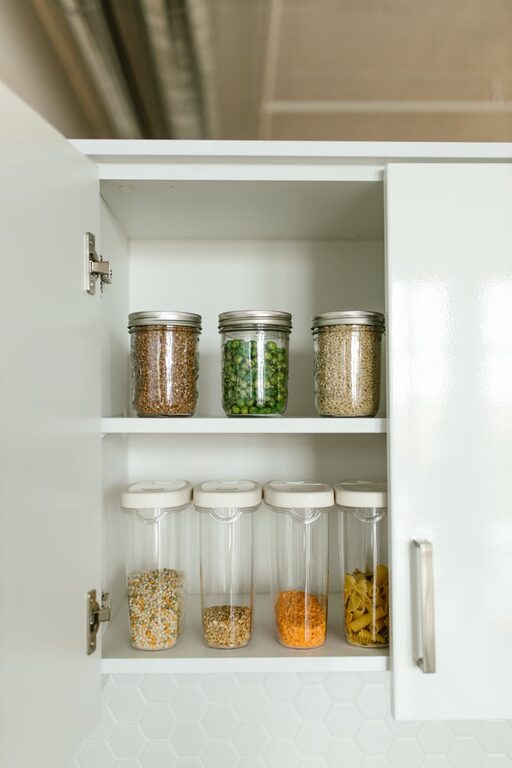
Invest in transparent storage containers for dry goods like rice, beans, and cereals. This makes it easy to see contents and monitor quantities. For the fridge, use stackable containers for leftovers and prepped ingredients.
Label each container with the contents and, if relevant, the purchase or expiration date. Label makers or simple masking tape and a permanent marker work well.
Step 4: Organize by Frequency of Use
Place items you use daily in easy-to-reach spots. Reserve harder-to-access areas for occasional or bulk items.
In the fridge:
– Keep ready-to-eat foods at eye level.
– Store raw meat on the bottom shelf to avoid drips onto other foods.
– Use the door for condiments and drinks, as it’s warmer.
In the pantry:
– Store everyday snacks and cooking staples at eye level.
– Put bulky supplies or less-used items on higher or lower shelves.
Step 5: Maximize Vertical and Drawer Space
Use racks, shelf risers, and bins to make full use of vertical space in your fridge and pantry. Drawers and bins can group smaller items that tend to scatter, like seasoning packets or snack packs.
A lazy Susan turntable works well in a deep pantry cupboard to keep bottles and jars accessible.
Step 6: Maintain Regularly
Set a routine to keep your fridge and pantry in good shape:
– Weekly: Quickly scan for spoiled or open items.
– Monthly: Do a more thorough clean-out and shelf wipe.
– Each grocery trip: Plan meals around what you have, and remove items you no longer need.
Bonus Tips for Staying Organized
– First in, first out: Place older items in front so you use them before fresher ones.
– Group snack sizes: Keep kid-friendly snack portions together for easy grabbing.
– Use baskets: Especially in large pantries, baskets keep similar items together and can be pulled out easily.
– Rotate seasonally: Store seasonal items separately and rotate them as needed.
—
Organizing your fridge and pantry is not a one-time project but a lifestyle habit that benefits your health, wallet, and peace of mind. With clear categories, good storage solutions, and regular upkeep, your food storage areas will stay tidy and efficient.
Ready to get started? Begin with a small section today and enjoy the difference tomorrow!